
Industrial Supply Chains and Logistics Efficiency
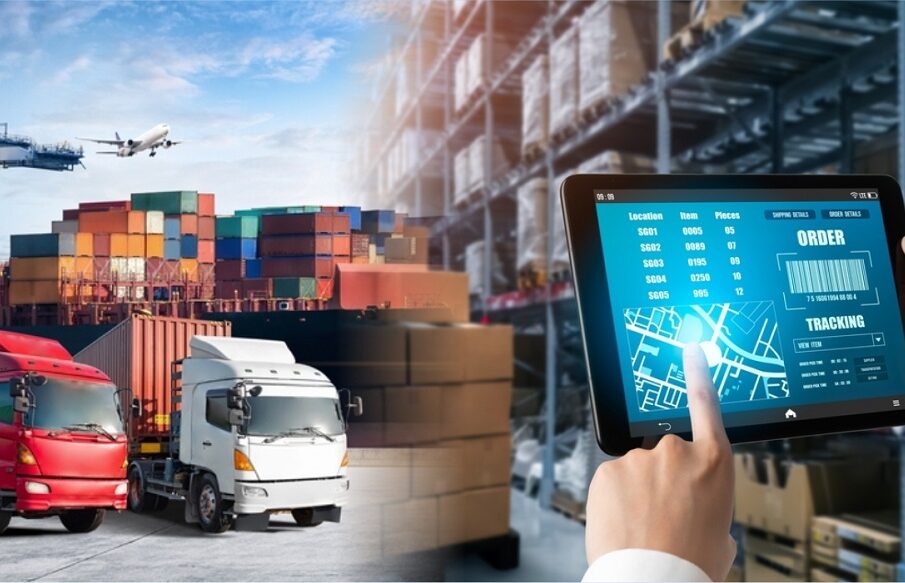
The backbone of the global economy relies on the silent, continuous movement of raw materials, components, and finished goods. Industrial supply chains represent the highly complex networks of manufacturing facilities, distribution centers, transport fleets, and technology systems that make this movement possible. In an era marked by shifting geopolitical alliances, rapid economic fluctuations, and rising consumer expectations, the management of these networks has moved from a backend operational concern to a primary strategic differentiator.
Logistics efficiency is the metric that determines whether an industrial operation succeeds or fails. It measures how effectively an organization can minimize waste, control costs, and accelerate the velocity of its goods without sacrificing product quality or customer satisfaction. To achieve peak efficiency, industrial operations must discard outdated, reactive management methodologies and embrace integrated, data-driven strategies that optimize every node of the supply chain ecosystem.
The Core Components of Modern Industrial Logistics
Optimizing an industrial supply chain requires an understanding of its fundamental building blocks. Each component must function in perfect synchronization with the others to prevent costly bottlenecks and operational delays.
Advanced Inventory Management and Control
Inventory represents a delicate balancing act for industrial enterprises. Holding too much inventory ties up precious working capital, increases warehousing overhead, and risks stock obsolescence. Conversely, holding too little inventory leaves an organization vulnerable to supply disruptions and lost revenue.
Smart industrial strategies rely on advanced demand forecasting models. By analyzing historical sales data, seasonal patterns, and macroeconomic indicators, companies can predict material requirements with high precision. This enables the implementation of lean inventory strategies, such as just-in-time manufacturing, where raw materials arrive at the production facility exactly when they are needed, minimizing storage costs.
Strategic Warehousing and Facility Layout
The physical design and geographical placement of warehouses directly impact logistics velocity. Modern industrial warehousing goes beyond simple storage; these facilities act as dynamic throughput centers.
Efficient warehouse design utilizes spatial optimization algorithms to maximize storage density and streamline pick-and-pack pathways. Industrial operators place high-velocity goods near shipping bays to minimize material handling times. Furthermore, strategically locating distribution centers near major transportation hubs, such as deepwater ports, rail yards, and interstate highways, significantly reduces transit times and lowers fuel consumption across the fulfillment network.
Multi-Modal Transportation Optimization
Industrial logistics relies on a combination of transit methods, including ocean freight, rail networks, long-haul trucking, and air cargo. True efficiency requires multi-modal optimization, selecting the ideal combination of transport methods based on speed, cost, and material urgency.
Logistics teams utilize transport management software to pool shipments, optimize route planning, and eliminate empty backhaul miles. By consolidating cargo and shifting long-distance shipments to more fuel-efficient modes like rail infrastructure before using regional trucking networks for final delivery, companies cut transportation costs while improving delivery predictability.
Technology as the Catalyst for Supply Chain Transformation
The digitization of industrial operations has fundamentally altered how logistics networks operate. Real-time data visibility has replaced guesswork, allowing organizations to manage disruptions proactively.
Internet of Things and End-to-End Visibility
The deployment of Internet of Things sensors throughout the supply chain provides unprecedented visibility into the movement of goods. Connected devices attached to cargo containers and transit fleets broadcast real-time telemetry data, including precise geographic location, internal container temperature, and ambient humidity levels.
For industries sensitive to environmental shifts, such as pharmaceuticals or advanced electronics, this real-time monitoring is critical. If a refrigerated container experiences a mechanical failure, the system instantly alerts logistics managers, allowing them to reroute the shipment or deploy maintenance teams before the inventory spoils.
Predictive Analytics for Risk Mitigation
Modern supply chains generate massive volumes of unstructured data. By applying machine learning and predictive analytics to this data, industrial enterprises can simulate potential supply chain disruptions before they occur.
Predictive models evaluate factors like developing weather patterns, port congestion metrics, and labor shortages to forecast potential shipping delays. This allows procurement teams to secure alternative sourcing options or adjust production schedules in advance, ensuring that a disruption in one part of the world does not cause a total stoppage at a local manufacturing plant.
Overcoming Structural Bottlenecks in Industrial Sourcing
Global supply chains are inherently vulnerable to systemic vulnerabilities. Building a resilient network requires industrial organizations to structuralize their sourcing practices to withstand unexpected economic shocks.
-
Supplier Diversification: Relying on a single-source supplier for critical components introduces catastrophic risk. Smart procurement strategies mandate multi-sourcing, distributing component orders across multiple vetted vendors located in distinct geographic regions to protect against localized shutdowns.
-
Nearshoring and Regionalization: To reduce the risks associated with long-distance ocean transport, many industrial firms are moving production facilities closer to their primary consumer markets. Nearshoring shortens supply lines, reduces transport costs, and allows companies to respond more rapidly to shifting local demand.
-
Collaborative Vendor Relationships: Traditional procurement relied on adversarial, price-focused negotiations. Modern logistics efficiency favors transparent, collaborative relationships where buyers and suppliers share real-time demand data, allowing both entities to smooth out production cycles and reduce wasted capacity.
The Role of Reverse Logistics in Industrial Efficiency
A frequently overlooked aspect of supply chain management is reverse logistics, the process of moving goods from their final destination back to an origin point for return, repair, recycling, or disposal. In industrial sectors, managing this reverse flow efficiently can recapture significant financial value.
An unoptimized return loop drains profitability through ad-hoc shipping costs and wasted warehouse space. Highly efficient industrial operations design dedicated reverse logistics pipelines that automate the sorting of returned components. Materials are quickly evaluated to determine whether they can be refurbished, harvested for spare parts, or melted down for raw material reuse. Embracing this circular approach reduces the reliance on virgin material purchasing, lowers waste management overhead, and ensures compliance with increasingly strict environmental regulations.
Frequently Asked Questions
What is the bullwhip effect in industrial supply chains, and how can it be prevented?
The bullwhip effect refers to a phenomenon where small fluctuations in consumer demand at the retail level cause progressively larger, distorted swings in demand estimates as the information moves backward up the supply chain toward raw material producers. It can be prevented by establishing unified, transparent data communication networks where every tier of the supply chain has real-time visibility into actual consumer sales data, eliminating the need for speculative ordering.
How does cross-docking improve warehouse efficiency?
Cross-docking is a logistics practice where incoming shipments from a supplier are transferred directly to outbound transport vehicles with minimal or no storage time in between. This process eliminates the traditional step of putting goods away into warehouse inventory racks, significantly reducing material handling times, lowering labor requirements, and accelerating order fulfillment speeds.
What is the difference between logistics and supply chain management?
Logistics is a specific subset of supply chain management that focuses on the physical movement, positioning, and storage of goods within a network. Supply chain management is a broader enterprise function that encompasses logistics alongside procurement, raw material sourcing, product manufacturing strategy, demand planning, and vendor relationship management.
How do freight consolidation strategies lower industrial shipping overhead?
Freight consolidation involves combining multiple smaller shipments destined for the same geographic region into a single, larger cargo load, such as combining several less-than-truckload shipments into one full truckload. This strategy maximizes transport capacity utilization, lowers per-unit shipping fees, and reduces the administrative complexity of managing numerous disjointed shipments.
What are key performance indicators for measuring industrial logistics efficiency?
Industrial operations track several critical metrics to evaluate network health, including on-time in-full delivery rates, order cycle times, warehouse asset utilization, inventory turnover ratios, total logistics cost as a percentage of revenue, and freight cost per ton-mile.
How does predictive maintenance protect supply chain continuity?
Predictive maintenance uses internet-connected sensors to monitor the operating conditions of manufacturing machinery, warehouse automation systems, and transport fleets. By analyzing vibration, temperature, and usage patterns, the system identifies mechanical wear before a breakdown occurs, allowing repairs to be scheduled during planned operational downtime and preventing sudden supply chain stoppages.