How Studio Spacing Changes Movement Confidence in BodyCombat Classes
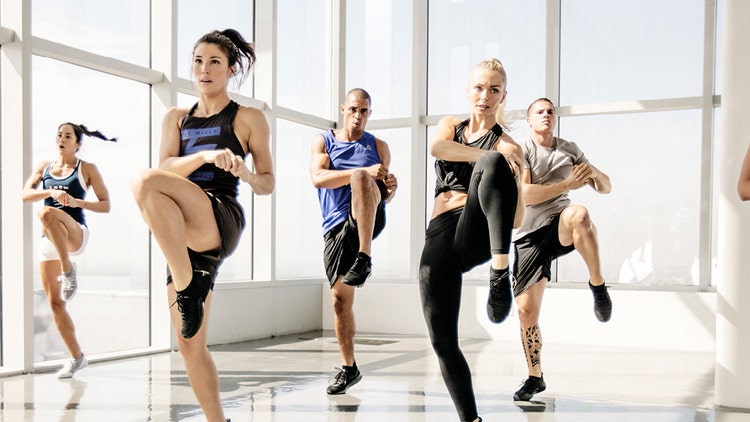
BodyCombat requires more space than a stationary strength session because punches, kicks, lunges and directional movements extend beyond the participant’s standing position. In a bodycombat class, studio spacing influences not only collision risk but also how confidently members complete the choreography.
When participants are uncertain about the people around them, they shorten movement abruptly, hesitate during turns or avoid one side. This changes the training experience even when no actual contact occurs.
Physical Capacity Is Not Functional Capacity
A studio may hold a certain number of stationary participants while providing insufficient room for full movement.
Capacity should reflect lateral steps, forward travel, kicks and arm extension. Equipment, columns and walls reduce usable space.
The relevant number is how many people can perform the class, not merely how many can stand on the floor.
Confidence Changes Movement Size
Participants who trust their available space can punch, step and kick through a predictable range. Those who feel crowded continually check their surroundings.
This divides attention between choreography and collision avoidance. The movement becomes smaller and less rhythmic.
Adequate spacing therefore supports both physical and mental performance.
Kicks Require More Than Foot Space
A kick extends the leg into an area that was empty while the participant was standing. Front, side and roundhouse-style movements each use space differently.
Participants need enough distance from the person ahead, behind and beside them. A staggered arrangement can reduce direct overlap.
Kick height and range should still match personal control.
Punches Extend Laterally and Forward
Wide hooks, uppercuts and straight punches can enter a neighbour’s movement zone. Arm length differences make uniform spacing difficult.
Participants can reduce punch range in crowded sections, but the studio should not rely on everyone making emergency adjustments.
Clear position markers can create more predictable personal zones.
Direction Changes Need Visual Confidence
Turns and lateral combinations become harder when participants cannot see the space into which they are moving. Hesitation causes late foot placement.
A forward-facing modification can preserve rhythm when turning space is limited. Instructors should offer this option before the sequence begins.
Participants should not rotate blindly merely to match the choreography.
Sightlines Affect Movement Confidence
A participant who cannot see the instructor reacts later. Late reactions often require rushed corrections that increase spacing problems.
Staggered rows, raised platforms and appropriate lighting can improve visibility. Mirrors can assist but may also create directional confusion.
Studio layout and instructor positioning need to work together.
New Members Need More Margin
Experienced participants anticipate choreography and control their movement size. New members may change direction late or use inconsistent range.
Capacity should allow for a mixed group rather than assuming every participant moves predictably. Additional space supports learning.
An overcrowded first experience can make the class feel more intimidating than it needs to be.
Fatigue Reduces Spatial Awareness
As the class becomes harder, participants focus more narrowly on effort. Their steps may drift or their guard may widen.
Later tracks can therefore require more conservative movement than the warm-up. Participants should remain aware of personal boundaries.
Facilities should base capacity on demanding tracks, not the smallest opening movements.
Instructor Cueing Can Organise the Room
Early directional cues help the group prepare together. The instructor can also remind participants to reduce travel and maintain personal zones.
Movement options should be demonstrated clearly. Telling members simply to “be careful” provides little practical guidance.
The class becomes safer when spacing instructions are part of choreography delivery.
Bags and Bottles Affect Usable Space
Personal items placed beside participants create trip hazards and reduce movement area. Designated storage should be easy to access.
Water bottles may remain nearby if facility rules permit, but they should not sit within a likely stepping path.
Clear floors support confident direction changes.
Attendance Feedback Matters
Repeated reports of collisions, poor visibility or restricted range suggest that booking capacity may exceed functional capacity.
At True Fitness Singapore, studio layout, class limits and instructor positioning can be coordinated to support confident participation.
Observation during full classes provides better evidence than an empty-room floor calculation.
Space Influences Class Quality
Participants do not need an enormous private area. They need a predictable zone that supports the normal range of the choreography.
When spacing is appropriate, members can focus on timing, power and movement rather than continually avoiding others. Functional capacity therefore improves the quality of every repetition, even when the studio could technically admit more people.